Three Services as one force, being the best in everything we do  

Medals in New Zealand

1840 to today - A Quick History

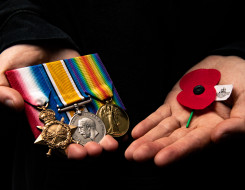
Orders of Chivalry, Decorations and Medals of various types have been awarded throughout the centuries to military personnel and civilians who perform individual acts of bravery or meritorious service for their country or who have demonstrated outstanding levels of achievement in their particular fields. From its early days as a British Colony, New Zealand followed the British model of Royal Honours which were conferred by the Sovereign on the recommendation of the New Zealand Prime Minister. These were both State Honours such as the different Orders of Knighthood and memberships of British Orders, and military Honours such as the British Gallantry and Bravery awards.

The British Royal Honours system served the country well for over a hundred years, but as New Zealand began to assert its independence as a sovereign nation some small changes were made.

The first distinctively New Zealand award was the New Zealand Cross introduced in 1869 for acts of outstanding gallantry by the New Zealand Volunteers. At the end of the Second World War the service and sacrifice of New Zealanders was recognised with the award of a special New Zealand War Service Medal.

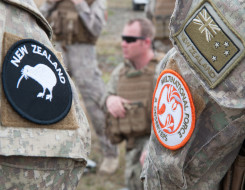
Since that time a system of distinctive New Zealand Honours, including New Zealand State Orders and New Zealand Gallantry and Bravery awards, has been developed in what has now become the New Zealand State Honours system. In addition, a new range of military campaign medals have been introduced by the New Zealand Government to recognise operational military service since 3 September 1945, including the operational service currently being performed by New Zealand military personnel throughout the world.

Principles for medallic recognition for operational service

In 2000 the New Zealand Government adopted a set of eight principles by which the award of medallic recognition for operational service, which exceeds the normal requirements of peacetime, is judged. These are summarised here:

  • Principle 1. Medals are awarded to recognise service that is beyond the normal requirements of peacetime service.
  • Principle 2. Deserving service by New Zealand personnel should be recognised by a New Zealand award.
  • Principle 3. There must be a balance between maintaining the exclusivity of awards and recognising significant service.
  • Principle 4. In all but exceptional circumstances, there should be only one New Zealand medal to recognise each period of operational service.
  • Principle 5. Awards will be continued only where the service rendered continues to meet all other requirements for the award of a medal.
  • Principle 6. Medals for operational service should be open for award to civilians in appropriate circumstances.
  • Principle 7. The fairness and integrity of any award must be transparent, and such awards should also be timely.
  • Principle 8. Approval will be sought to accept and wear medals awarded by foreign governments or international organisations, where the service performed by New Zealand personnel is consistent with the other principles for medallic recognition.

Interest Today in Orders, Decorations and Medals

Interest in Orders, Decorations and Medals is high throughout the world and New Zealand is no exception. Those interested range from recipients of an award or military campaign medal to collectors, museums, military veterans organisations and increasingly from relatives of deceased persons who received recognition during their lifetime. This website is designed to provide information to all those interested in the Orders, Decorations and Medals which have been and are being currently awarded to New Zealanders.

 This page was last reviewed 23 July, 2010 and is current.